
Is Soft Washing Safe for Plants, Pets, and Pool Water?
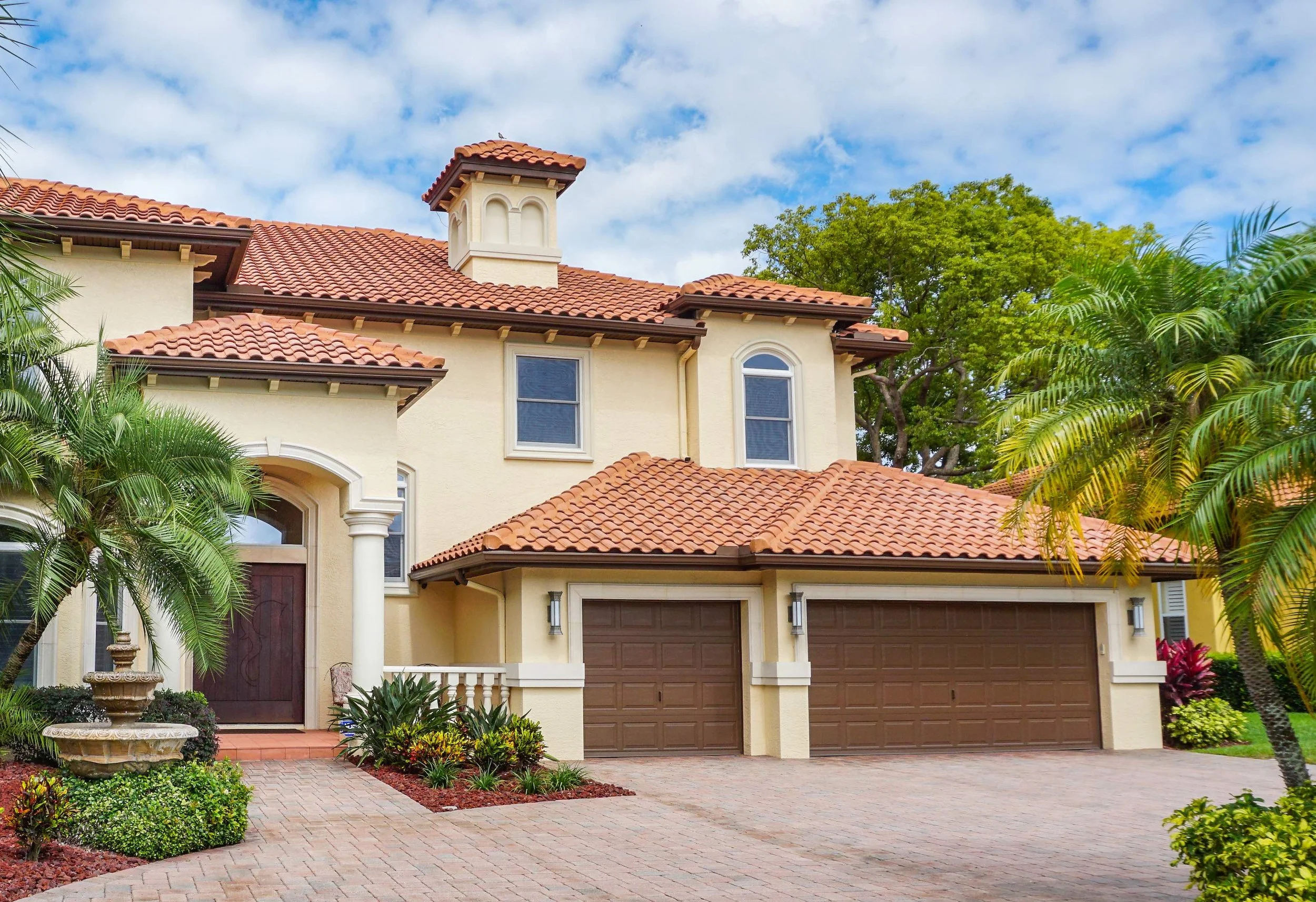
We get asked this more than anything else, so here's a straight answer. A soft wash puts a diluted cleaning solution on a surface, so there is some risk. That risk is managed with specific steps: pre-wetting landscaping, controlling where runoff goes, rinsing everything afterward, and following the product label. No method is risk-free for every property, and a company that tells you otherwise is leaving something out.
Cool Breeze has soft washed Pinellas County homes since 1999, with the owner on every job. Here's what goes on the wall, what the ground person does while it happens, and where the limits are.
What is in a soft wash solution?
Organic growth is treated with a diluted sodium hypochlorite solution blended with biodegradable surfactants. Sodium hypochlorite is the active ingredient in household bleach. The difference here is a dilution matched to the documented surface and a surfactant that holds it in place long enough to work. Pressure stays generally under 100 PSI, closer to a garden hose than to the 2,000-plus PSI a driveway takes.
So the chemistry does the work, and the product label sets the terms: application conditions, dwell time, rinsing, and the precautions that follow from them.
Is soft washing safe for plants?
Soft washing is not risk-free for plants, and the risk is managed with a set routine: pre-wet, keep wet, rinse. Plain water goes on the beds and foundation planting before any solution is applied, because saturated soil and wet foliage dilute anything that reaches them. A dedicated ground person keeps that going while the walls or roof are treated, then rinses the landscaping again afterward.
Dense planting tight against a wall is the hard case, so mention it when you request a quote. The same goes for container plants, vegetable beds, and anything recently planted. The University of Florida's IFAS Extension is a good neutral source on how Florida landscape plants handle stress, and a plant already struggling is more sensitive to everything, including a rinse.
Where does soft wash runoff go?
Rinse water is directed onto vegetated ground, not straight into a drain. Discharge into storm systems is what EPA's NPDES stormwater program regulates, so where the wash water goes is planned as part of the scope.
On a property close to the water, and a lot of Pinellas is, that planning gets more attention. The written scope names the runoff controls being used.
Is soft washing safe for pets and people?
Pets go inside for the whole job and stay off treated surfaces until they've been rinsed and dried. The same goes for children and anyone who would otherwise walk through the work area. That's ordinary jobsite practice. It isn't a sign that something dangerous is happening, and the scope records the re-entry guidance so nobody has to guess.
Outdoor animals, ponds, and aviaries change the plan, so mention them early, before the service day.
Does soft washing affect pool water?
Cool Breeze makes no claim about your pool chemistry. If the work is near a pool, containment and rinse direction take it into account. We will not tell you your pool chemistry is unaffected, because we do not measure it, and that call is for whoever maintains the water. If you want the pool covered or the work timed around a pool service visit, that's a fair thing to put in the scope. Our pool cage and deck cleaning page covers enclosure work.
What are the limits?
Precautions lower the risk. They do not take it to zero: aged or failing paint can react to being cleaned, a plant that was already stressed may show it afterward, and an unknown coating can behave unpredictably, which is what test areas are for.
| Concern | Precaution in the scope | The limit that remains |
|---|---|---|
| Landscaping and foundation planting | Pre-wet with plain water, kept wet during the work, rinsed again afterward | A plant that was already stressed may still show it afterward |
| Runoff and storm drains | Rinse water directed onto vegetated ground and away from drains | The controls used are named per property in the written scope |
| Pets and children | Kept inside, and off treated surfaces until they are rinsed and dried | Outdoor animals, ponds, and aviaries change the plan and need mentioning early |
| Pool water | Containment and rinse direction account for work near a pool | Pool chemistry is not measured, and that call is for whoever maintains the water |
| Paint and unknown coatings | A test area before committing to the full elevation | Aged or failing paint can react, and an unknown coating can behave unpredictably |
All of that goes in writing before work starts, alongside the method and the exclusions, and it's why the house washing scope is written the way it is.
See the soft wash versus pressure wash guide for how the two methods compare, or the service-area directory for your city page.
Soft wash safety FAQs
What's in the cleaning solution?
A diluted sodium hypochlorite solution blended with biodegradable surfactants. The surfactant keeps it on a vertical surface long enough to work, so it does not run straight off.
Dilution is set by the documented material and its visible condition, and the product label governs application, dwell time, and rinsing.
Do my plants need to be covered or moved?
Plants get pre-wetted, and they may also be covered depending on the weather and conditions. A ground person soaks the landscaping with plain water before anything is applied, keeps it wet through the work, and rinses it afterward.
Mention potted plants and anything unusually sensitive when you request the quote.
Where do pets need to be during the work?
Indoors, and away from the work area until treated surfaces have been rinsed and the area has dried. The written scope records re-entry guidance for people and pets.
If you have an outdoor enclosure, a pond, or animals that live outside, say so before the service date.
Can the solution get into my pool?
It should not, and containment and rinse direction are part of the scope when a pool is nearby. Pool chemistry is still your pool professional's call, and Cool Breeze does not promise that water chemistry is unaffected.
It's worth talking about covering the pool or timing the work around it.
Questions about your landscaping or pool before booking? Call 727-584-6622 or request a free written quote online. More on the FAQ page.